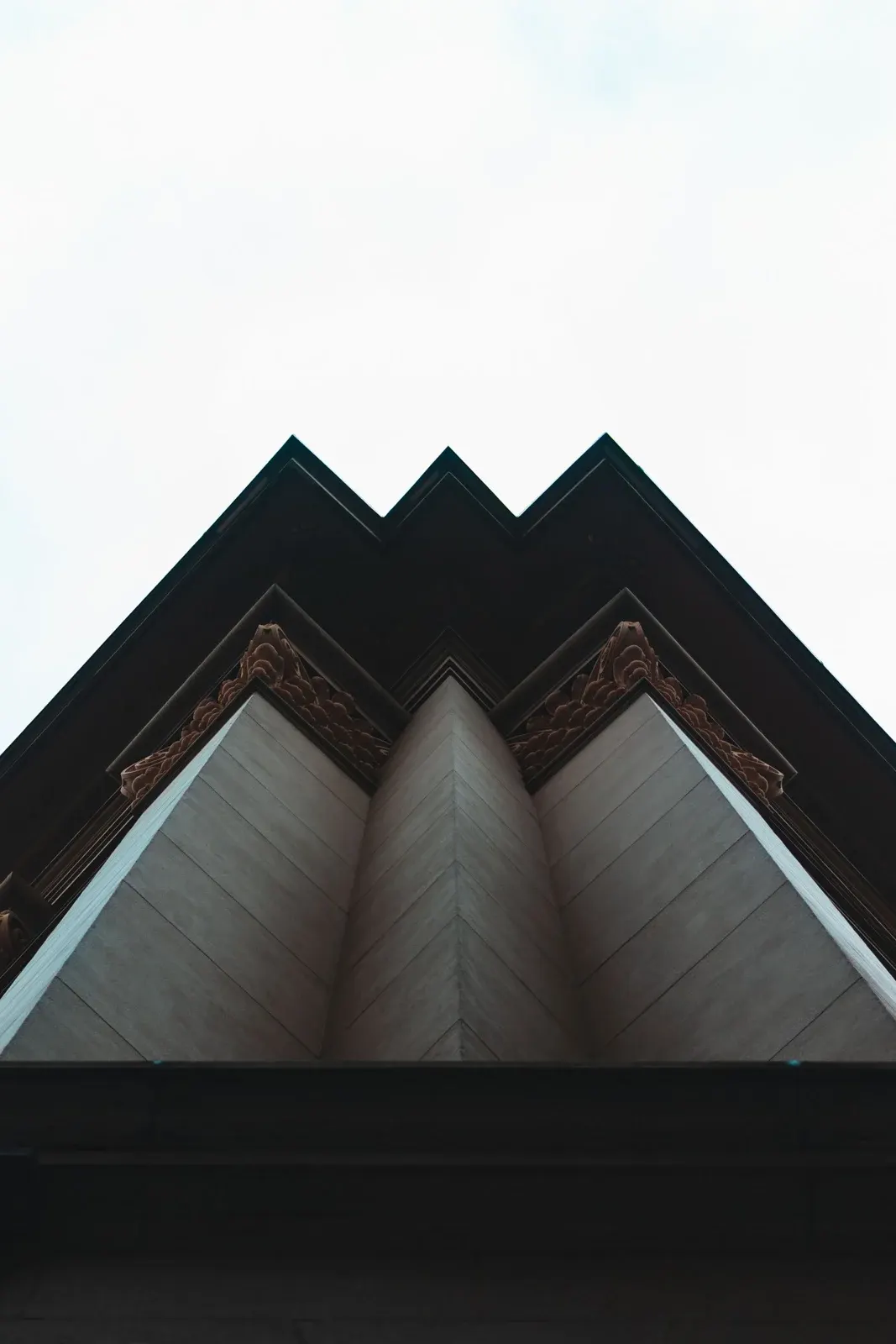
Facade design
Exterior Lighting: Create an Evening Identity Without Visual Noise
Exterior lighting changes how a building is understood after dark. Entrances, paths and selected architectural features can each have a role. A successful evening scheme creates a clear hierarchy and supports use, rather than outlining every edge of the facade with equally bright fittings.

Begin with arrival and movement
Identify the points people use to enter, park and move around the property. These locations need practical consideration before decorative accents are added.
Review steps, changes in level and door positions with the appropriate lighting designer or supplier. The goal is to make the route understandable and comfortable. A dramatic facade image should not distract from how someone actually approaches the entrance or finds the next part of the outdoor space.
Choose which features deserve emphasis
Select a limited set of elements that explain the architecture: an entrance recess, a textured wall, a main volume or a landscape feature. Compare their relative importance.
If every surface becomes a focal point, the building can lose its hierarchy. Consider where a fixture will be seen from the street and from inside the property. Some features may be more convincing with restrained light or with no dedicated accent at all.
Review glare and neighbouring views
Look at fittings from likely pedestrian, seated and window viewpoints. Light directed toward a neighbour or into a bedroom may create an unwanted effect.
Ask the specialist to review aiming, optics and controls for the actual conditions. Do not approve a fitting only from its daytime appearance. Sample demonstrations or targeted mock-ups can be useful when the intended effect is difficult to judge from a drawing or a simulated night scene.
Coordinate installation and access
Outdoor fixtures, cabling and controls need suitable specification and coordination for their location. Confirm product requirements with the relevant supplier and project team. Decide how fixtures will be reached for cleaning or replacement.
Concealment should not make maintenance impractical. Review the lighting plan alongside planting and external finishes, since foliage growth and surface texture can change the visual effect. Document the intended operating groups so the scheme can be used flexibly.
Your review checklist
- Prioritize entrances and circulation
- Select a few architectural focal points
- Review glare from occupied viewpoints
- Confirm products for their exposure
- Plan controls and maintenance access
Should exterior lights stay on all night?
That depends on the intended use and operating strategy. Discuss separately controlled groups, timers or other suitable controls with the project team so practical lighting and decorative effects do not have to operate identically.
FROM READING TO YOUR OWN SPACE
Discuss your design brief.
Explore ArchiNova’s design services, or share your project location, approximate area and priorities with us.
Start a conversation ↗