Architecture
Daylight in UAE Homes: Plan for Light, Views and Glare
Daylight is valuable when it supports the way a room is used. A bright window behind a screen, or direct sun on a favourite chair, may make a space less comfortable. For UAE homes, window position, shade, interior surfaces and glazing need to be considered together rather than relying on a larger area of glass alone.
Start with orientation and surroundings
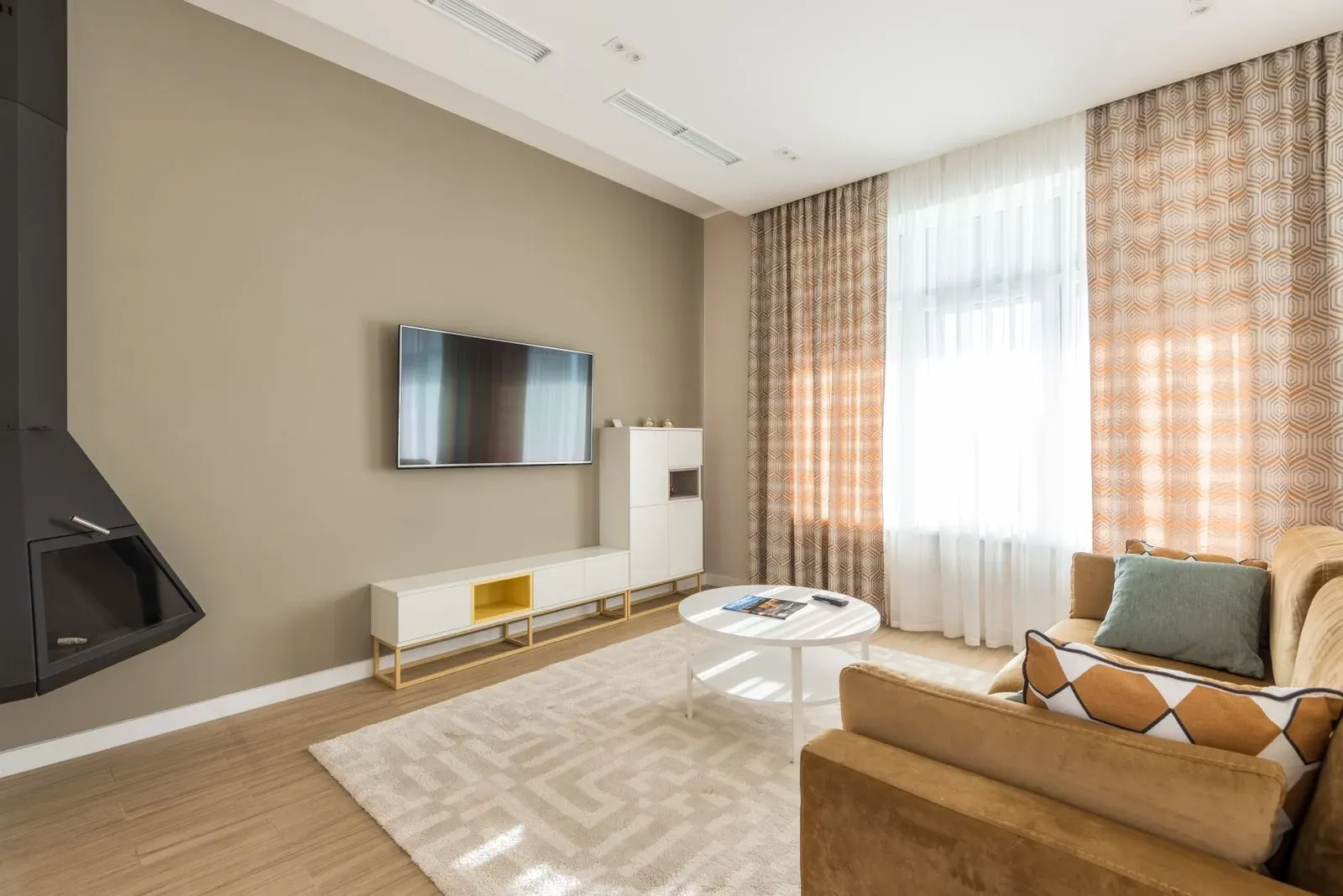
Review which rooms receive sun at different times and what neighbouring buildings, terraces or landscape elements obstruct. A room used in the morning may need a different response from an evening living room.
Existing homes should be observed at more than one time of day. Photographs can record where direct sunlight falls and which views matter. These observations are a useful starting point for design; they do not replace a technical assessment where daylight or thermal performance must be quantified.
Separate useful daylight from unwanted heat
The U.S. Department of Energy identifies orientation, shading, glazing and interior finishes as connected daylighting considerations.
For cooling-dominated climates, it notes that glazing can be selected to admit daylight while limiting solar heat gain. The practical design question is therefore not simply whether a window is large enough. Discuss the orientation and room use with the relevant specialist, and compare actual glazing specifications rather than relying on appearance or an unqualified promise of energy savings.
Place activities in relation to the light
Position desks, screens and reading areas with the window in mind. Test whether strong contrast or reflected sunlight will interfere with the task.
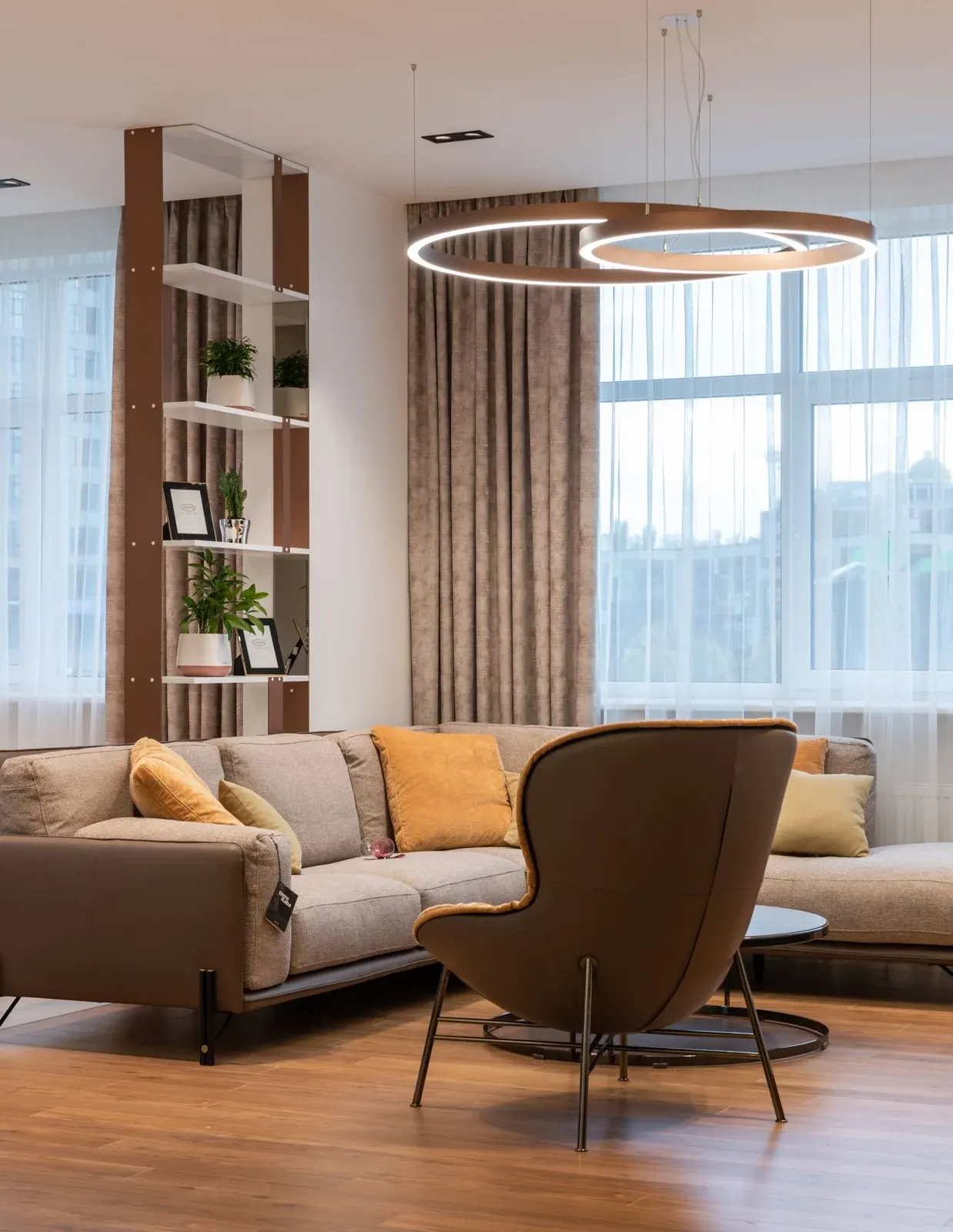
A sofa facing a view may be appealing, but the preferred seat should also be comfortable at the hours the family uses it. Curtains, blinds and external shade can offer different levels of control. Consider where they will sit and how they will be operated before finalizing the window or ceiling detail.
Coordinate surfaces and evening lighting
A palette of pale finishes can make a space feel lighter, but reflective surfaces may also create distracting highlights. Compare samples in the room rather than judging every material under a showroom spotlight.
Daylight changes through the day, so the evening lighting scheme needs its own review. Ask for both daytime and evening studies when visualization is included. A successful room should retain a clear identity without depending on the brightest moment shown in the presentation.
Your review checklist
- Observe sun and shade at different hours
- Record important views
- Locate screens and reading areas
- Review glazing and shading with specialists
- Test finishes in daytime and evening light
Does more glass always mean better daylight?
No. Distribution, glare, shading and room depth matter alongside window area. A well-positioned opening may serve a room more effectively than additional glass in a poorly considered location.
Further reading
U.S. Department of Energy: Window types and technologies ↗U.S. Department of Energy: Daylighting and architectural considerations ↗FROM READING TO YOUR OWN SPACE
Discuss your design brief.
Explore ArchiNova’s design services, or share your project location, approximate area and priorities with us.
Start a conversation ↗